Packing Flats on Surbiton High Street: Stairs & Lift Tips
Posted on 14/05/2026
Packing Flats on Surbiton High Street: Stairs & Lift Tips
Moving out of a flat on Surbiton High Street can feel straightforward on paper. In real life, though? One narrow stairwell, a temperamental lift, a bulky sofa, and a few too many cardboard boxes can change the whole day. Packing Flats on Surbiton High Street: Stairs & Lift Tips is really about making that shift smoother, safer, and less stressful for everyone involved.
Whether you are in a top-floor conversion, a modern block with shared access, or a compact apartment above shops, the same principle applies: good packing protects your belongings and protects the route out. In this guide, you will find practical advice for stairs, lifts, carrying heavy items, avoiding delays, and choosing the right moving support. It is the sort of guidance that saves time on moving day and, to be fair, a lot of awkward sighing in hallways.
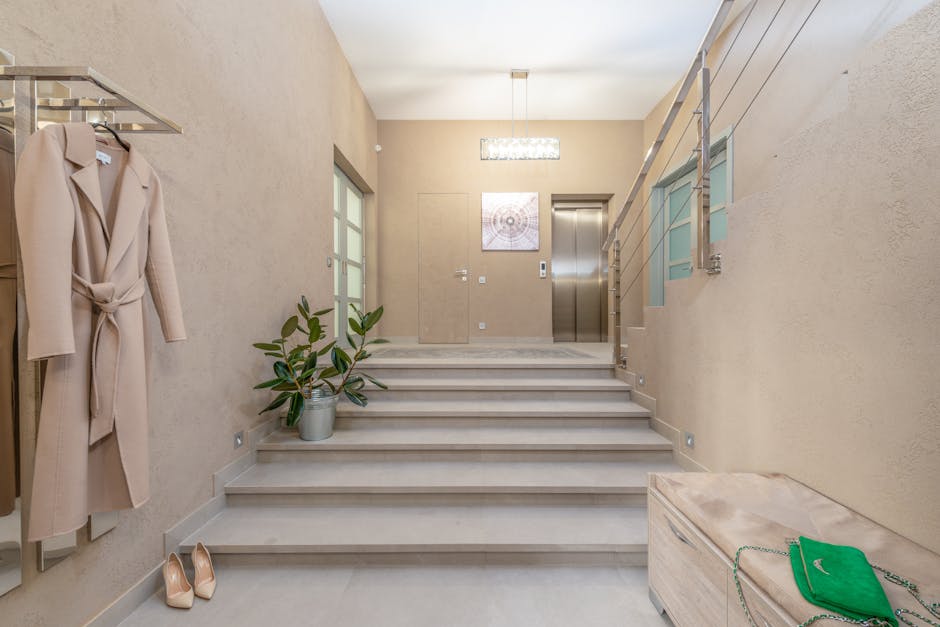
Why Packing Flats on Surbiton High Street: Stairs & Lift Tips Matters
Flat moves are different from house moves, and High Street properties add their own little complications. Shared entrances, tight staircases, older buildings, lift bookings, neighbours passing through, and the simple reality of carrying furniture around corners all affect how you should pack. If boxes are too heavy, too large, or poorly labelled, the move becomes slower and more risky than it needs to be.
On a busy road like Surbiton High Street, timing also matters. You may be working around traffic, loading restrictions, or a window when the lift is available. If you are moving from an upper-floor flat, every box needs to be sized for the route, not just the room. That is the key difference people sometimes miss. Packing is not only about protecting the items; it is about making them moveable.
In practice, good packing helps you avoid the kind of small delays that snowball: the box that will not fit through the stairwell, the drawer unit that cannot be turned on the landing, or the fridge that needs two extra people because it was left too full. A little planning really does change the whole tone of the day.
If you want a broader look at making home moves efficient, these packing techniques from a pro are a useful companion read.
How Packing Flats on Surbiton High Street: Stairs & Lift Tips Works
The process starts before a single box is taped shut. First, you look at the building itself: where the lift is, how wide the stairs are, whether there are corner turns, whether there is a lobby, and whether the lift opens directly into the flat or into a shared corridor. Those details shape what you can pack, how heavy each item should be, and what gets moved first.
Next comes sorting. Flats often contain more awkward items than people expect: a sofa that only just clears the door, a mattress with no easy grip points, a desk with fixed legs, or a freezer that needs proper preparation. Some things are best disassembled. Some should be wrapped in protective covers. And some, frankly, are better left to experienced movers because stairs and weight are a messy combination.
Then you match the packing method to the access route. For lifts, the goal is efficient stacking without overloading or damaging the lift interior. For stairs, the goal is balance, grip, and safe handling on turns and landings. That is why flat removals are often more about route planning than brute force.
There is a quiet logic to it. The better you understand the building, the easier it is to choose the right boxes, the right wrapping, and the right order of loading.
Key Benefits and Practical Advantages
Well-planned flat packing gives you more than neat boxes. It reduces strain, cuts down on damage, and makes the moving team faster and calmer. And calm matters. A rushed move in a stairwell has a habit of creating extra problems nobody wanted.
- Less risk of breakage: boxes packed by weight and fragility are less likely to crush or topple.
- Safer lifting: smaller, balanced boxes are easier to carry on stairs and around lift doors.
- Faster loading and unloading: clear labels and sensible packing order keep the day moving.
- Better use of building access: knowing what fits the lift saves repeated trips and awkward manoeuvres.
- Lower stress: if everything is prepared, the move feels more controlled and less like a scramble at 8:30 on a damp morning.
There is also a property-protection angle. Stair rails, painted walls, lift panels, and communal flooring can all be damaged if items are oversized or badly wrapped. Good packing shows respect for the building as well as your belongings. That can matter with landlords, managing agents, and neighbours.
If you are moving furniture-heavy rooms, you may also find furniture removals in Surbiton helpful for larger pieces that need experienced handling.
Who This Is For and When It Makes Sense
This guidance is most useful for anyone moving from a flat or apartment where access is not a simple lift-and-load operation. That includes top-floor tenants, first-time movers, students, families downsizing, and anyone in a block with shared entrances or awkward stair turns. It also helps if you are moving in or out of a converted building where the staircase was clearly designed before modern sofas became a thing.
It makes particular sense when you have any of the following:
- No lift at all, or a lift too small for larger items
- Shared stair access with neighbours coming and going
- Fragile items that need extra wrapping and careful stacking
- Heavy furniture that cannot be safely carried alone
- A tight moving window or same-day schedule
If you are a student moving between flats or shared houses, a smaller and faster service may be the right fit. You can compare options through student removals in Surbiton or look at the wider range of removal services in Surbiton.
Truth be told, even a short move can become complicated if access is poor. The flatter the route, the easier the day. The less flat the route... well, you get the idea.
Step-by-Step Guidance
A tidy process helps most when the building is awkward. Here is a practical way to handle packing for a flat move on Surbiton High Street.
1. Measure the route before you pack
Check the lift size, stair width, landing corners, and any door frames between the flat and the exit. A tape measure helps, but even a quick visual check can prevent a lot of trouble. If a sofa or bed frame is borderline, it is better to know early than to discover it halfway down a staircase.
2. Sort items by difficulty
Pack easy items first and leave awkward, heavy, or fragile pieces until you have a plan for them. Books, kitchenware, linens, and soft goods are straightforward. Glass, mirrors, lamps, and electronics need more care. Large white goods need their own prep, and if you are storing something afterwards, it needs the right treatment too.
For example, if a freezer is going into temporary storage, you should treat it differently from a regular box of belongings. This is where guides like freezer storage basics and proper storage of an inactive freezer can save you from avoidable damage.
3. Choose box sizes for the stairs, not just the contents
Small and medium boxes are usually the safest choice for flats. They are easier to carry, easier to stack in a lift, and less likely to collapse under their own weight. Large boxes can be fine for bedding and light soft items, but they are a bad idea for books, crockery, or anything dense. Heavy boxes on stairs are where people start saying, "I should have split that up," usually after the fact.
4. Label clearly on more than one side
Write the room name and contents on at least two sides. Add a note like "fragile," "top load only," or "lift first" where needed. If a box should be kept upright, say so. It sounds basic, but on a moving day with several trips, clear labels reduce mistakes fast.
5. Pack the lift in a sensible order
If you are using a lift, load the heaviest and flattest items first, then stack lighter boxes around them. Do not block the doors or place unstable items near control panels. Some lifts in residential buildings are sensitive, and even where no official restriction is stated, common sense goes a long way.
6. Prepare for stairs like a route, not an obstacle
Stairs require balance and coordination. Keep loads smaller, use proper grip, and avoid carrying anything that blocks your view of the steps. If the staircase is narrow, assign one person to guide at corners when needed. It is a small thing, but it makes a real difference.
When moving awkward furniture upstairs or downstairs, it may help to read about heavy-object lifting techniques and safer kinetic lifting movement so you are not relying on guesswork.
7. Stage items near the exit
Keep packed boxes in a clear staging area, away from the main walking line. In a flat, space is limited, so this can feel a bit like Tetris. Still, the aim is simple: boxes ready to go, corridor clear, and no tripping over a lamp at the worst possible moment.
Expert Tips for Better Results
Little improvements add up. These are the details that often separate a smooth flat move from a stressful one.
- Disassemble early: Remove table legs, bed frames, and detachable shelves before moving day if possible.
- Use mattress covers: Mattresses pick up dirt quickly in shared hallways and stairwells. Protect them before the first carry.
- Keep a tool bag handy: Allen keys, screwdrivers, tape, scissors, and zip bags for bolts save time.
- Wrap corners and handles: These are the parts most likely to snag on stair rails and lift doors.
- Leave a safe walking line: Never stack boxes where someone has to twist around them in a hurry.
- Think in trip size: Two lighter trips are often safer than one heroic one. Heroics are overrated anyway.
If you are moving sofas or soft furnishings into storage, our guide on couch storage and protection is worth a look. For anyone with a bed or mattress to move, common bed and mattress moving mistakes are easier to avoid than fix.
A useful rule of thumb: if you are unsure whether something will fit through the stairwell, assume it will not until you have measured. That sounds cautious. It is cautious. But caution beats dragging a wardrobe backward into a hallway you now slightly regret entering.
Common Mistakes to Avoid
Most flat-moving problems are predictable. They just look surprising when you are standing in a corridor holding a box of plates.
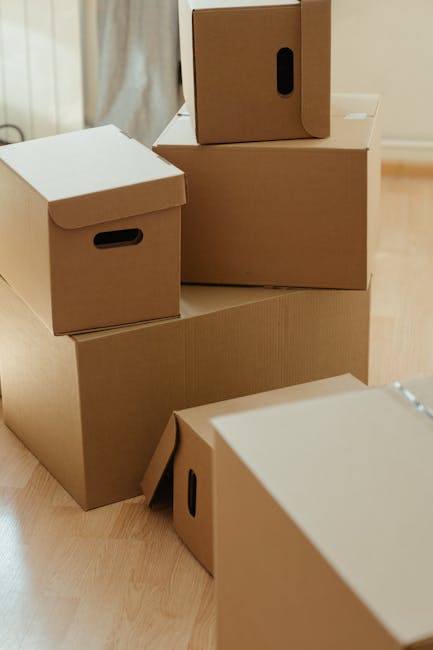
- Overpacking boxes: too heavy, too hard to grip, and too likely to split.
- Ignoring the lift size: if it does not fit, the plan changes. Check early.
- Leaving disassembly too late: big furniture takes longer than people think, especially on stairs.
- Blocking communal areas: it slows everyone down and can create friction with neighbours or building management.
- Not protecting floors or walls: scuffs happen quickly in narrow access routes.
- Trying to lift too much alone: this is where injuries and damaged items often start.
There is also the emotional mistake: assuming the move will just work itself out on the day. It rarely does. A little preparation is not glamorous, but it is the part that quietly saves the whole thing.
If the move begins to feel overwhelming, that is normal. Many people feel a bit of moving-house anxiety, especially when access is tight and the clock is ticking. The good news is that a good plan takes the edge off, quite a lot actually.
Tools, Resources and Recommendations
For flat moves, the right tools are less about fancy kit and more about making awkward tasks manageable.
| Tool or Resource | Why It Helps | Best Used For |
|---|---|---|
| Strong tape and tape dispenser | Keeps boxes secure and speeds up packing | Everyday boxes, fragile items, storage prep |
| Furniture blankets | Protects corners, finishes, and lift interiors | Sofas, cabinets, tables, white goods |
| Mattress covers | Helps keep bedding clean in communal spaces | Singles, doubles, and larger mattresses |
| Labels and marker pens | Makes loading and sorting much easier | Room-by-room packing, fragile items |
| Trolley or sack truck | Reduces carrying strain where access allows | Heavy boxes, appliances, grouped loads |
For materials and box options, packing and boxes in Surbiton is a sensible place to start. If you need a broader service package, the services overview gives a good picture of what is available.
Sometimes the right recommendation is not a product, but a plan. If your flat has awkward access or tight timing, consider a smaller vehicle or a dedicated load. A man with a van in Surbiton can be a good fit for compact moves, while a removal van in Surbiton may suit larger loads.
Law, Compliance, Standards, or Best Practice
For a flat move, there usually is not a single special law that says exactly how to pack every box. What matters is following sensible moving best practice, respecting building rules, and keeping people and property safe. That includes avoiding unsafe lifting, not blocking communal access, and making sure any contractor you use works responsibly.
In the UK, common expectations include careful manual handling, safe loading, and reasonable protection of shared spaces. Building managers may also have their own instructions for lift use, service lift booking, moving times, or floor protection. These are not always legal requirements in a strict sense, but they are often part of the building's operating rules, and it is best to follow them.
If you are hiring movers, ask about insurance, handling practices, and how they manage stair access. Good firms should be able to explain their approach clearly. It should not feel vague. If it does, that is worth noting.
Our own health and safety policy and insurance and safety information are useful reference points if you want reassurance before booking. For general standards and terms, it is also worth checking the terms and conditions and, if relevant, the accessibility statement.
One more thing: if disposal or downsizing is part of the move, consider responsible recycling rather than leaving things behind. The recycling and sustainability page is a helpful reminder that moving can be done with less waste.
Options, Methods, or Comparison Table
Not every flat move needs the same approach. The right method depends on access, volume, and how much time you have.
| Method | Best For | Pros | Trade-offs |
|---|---|---|---|
| DIY packing and carrying | Small moves, light loads, simple access | Flexible, cost-conscious, immediate control | Higher physical effort, more risk on stairs |
| Man and van support | Medium moves, time-sensitive flat relocations | Practical, efficient, often more affordable than full-service options | You still need to pack well and prepare access |
| Full removal service | Larger flats, awkward furniture, more fragile loads | Less stress, more lifting support, better for complex stair access | Usually the higher-cost option |
| Storage-first move | Staged relocations, refurbishments, delayed completions | Useful when dates do not line up neatly | Needs extra planning and careful packing |
If your move is on the simpler side, a man and van service in Surbiton can be a neat middle ground. For bigger, more complex jobs, house removals in Surbiton may be more appropriate even if you are leaving a flat, especially if you have a lot of furniture or storage items involved.
Case Study or Real-World Example
A typical Surbiton High Street flat move might involve a second-floor apartment above a row of shops, a narrow communal staircase, and a lift that is useful for boxes but not ideal for a large corner sofa. The key to a smooth move is not just muscle; it is sequencing.
First, the mover measures the sofa, the lift, and the stair turns. Then they decide to disassemble the bed frame, wrap the sofa corners, and split the books into smaller boxes instead of forcing them into one oversized carton. The freezer is emptied and prepared in advance, soft furnishings are bagged, and the route through the corridor is kept clear. Nothing dramatic. Just sensible, steady choices.
By moving the heaviest items first and the fragile items last, the team avoids the worst congestion in the stairwell. The lift is used for lighter boxes, while the narrower staircase is reserved for items that can be carried safely by two people. Nobody has to pivot a wardrobe at an impossible angle. Nobody has to apologise to a neighbour holding shopping bags. It just works better.
That kind of move usually feels uneventful in the best possible way. And honestly, uneventful is what most people want on moving day.
Practical Checklist
Use this quick checklist the day before your move. It keeps the essentials in one place.
- Measure stair width, door frames, and lift size
- Check building rules for lift booking or moving times
- Disassemble large furniture where possible
- Pack heavy items into smaller boxes
- Label every box on multiple sides
- Wrap fragile items and soft furnishings properly
- Protect mattress, sofa, and appliance surfaces
- Clear corridors, entrances, and landing spaces
- Keep tools, tape, and screws in one clearly marked bag
- Confirm parking, access, and arrival timing
- Arrange help for heavy or awkward items
- Review insurance or service details before the day
Expert summary: The best flat moves on Surbiton High Street are usually not the fastest-looking ones at the start. They are the ones where boxes are sized properly, the route is checked, and heavy items are planned rather than guessed at.
If you are still building your moving plan, decluttering before a move and cleaning before leaving are both smart next steps. Less clutter usually means less lifting. Simple, but very true.
Conclusion
Packing Flats on Surbiton High Street: Stairs & Lift Tips is really about matching your packing style to the building in front of you. If you plan for the stairs, respect the lift, keep boxes manageable, and protect the awkward items properly, the move becomes far less stressful. That is the whole game, really.
Whether you are moving a compact student flat, a family apartment, or a top-floor conversion with a tricky staircase, the same habits help: measure first, pack sensibly, label clearly, and do not underestimate the value of good support. A little patience on the front end saves a lot of hassle later.
Get a free quote today and see how much you can save.
If you would like help with the practical side of moving, take a look at flat removals in Surbiton or compare options across removals in Surbiton. A smoother move is not about luck. It is usually about preparation, and a bit of common sense.
And once the last box is out, the hallway quiets down, the kettle finally gets switched on, and it all feels a bit more possible.